When I’m sourcing men’s wear for my shop, I always make sure to pay close attention to what makes French designs stand out—there’s a reason they’re not just another trend, they’re a vibe that sticks. I’ve spent years talking to customers, testing fabrics, and working with designers who know their stuff, so let me break down the real, no-BS features that define French men’s wear, not the stuff you see in fast fashion copycats. Men’s Wear
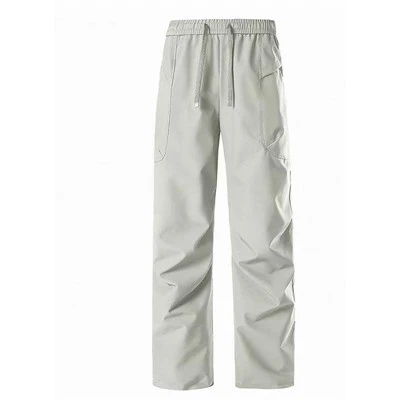
First off, it’s all about that “effortless elegance” they brag about, but it’s not just pretty words. French guys don’t do over-the-top logos or flashy prints. Instead, they rely on perfectly tailored basics that fit like they were made for their body, not a generic size chart. I remember last year, I stocked a line of slim-fit chinos from a small French brand—they flew off the shelves because guys said they didn’t feel baggy in the thighs or tight around the waist, which is a problem with a lot of mass-produced pants. The key here is precision, not excess: a well-cut blazer that skims the shoulders, a plain cotton tee that doesn’t cling, a jacket that’s light enough for a Parisian spring breeze but works for a dinner date. No frills, just quality.
Then there’s the fabric choice. French designers take natural materials seriously, and that shows. Linen is a big one, but not the cheap, scratchy stuff that wrinkles so bad you look like you slept in it. The French use high-quality linen—usually a blend with a little cotton or Tencel—to keep it breathable, soft, and less prone to that messy, unflattering crumple. I tested a linen shirt last summer; my customers who bought it said it was comfortable in 90-degree heat, and even when it wrinkled, it looked intentional, not sloppy. Wool is another staple—merino wool, specifically, because it’s lightweight, doesn’t smell if you wear it twice (game changer for commuters), and holds its shape way better than regular wool. I had a guy come in last month complaining about a wool sweater that stretched out after one wash; I sold him a French merino one, and he texted me two weeks later saying it still fit perfect.
Color palette is where French men’s wear really sets itself apart. They stick to a neutral base, but they add tiny pops of color that don’t scream “look at me.” Think navy, charcoal, white, beige, and olive—those are the go-tos. Then maybe a burgundy tie, a mustard pocket square, or a soft blue chambray shirt. It’s not bold, it’s deliberate. I used to make the mistake of bringing in lines with bright red jackets or neon accessories, and they just sat there. Now, I focus on earthy, muted tones that mix easily—guys can build a whole wardrobe with 5-6 pieces, and it all works together. No need for 20 different items; that’s the French way: less is more.
Durability is non-negotiable, too. French designers don’t make clothes you wear once and throw away. They focus on construction details that last—double stitching on seams, reinforced pockets, buttons made of real horn or shell, not plastic. A customer told me last year he’s had a French cotton jacket for 5 years, and the only thing he’s had to fix is a loose button. Compare that to a fast fashion jacket from a big box store that falls apart after 6 months, and it’s easy to see why people keep coming back. I make sure every piece I stock has those small, hard-to-notice details—because that’s what makes a piece worth investing in, not the price tag.
Wait, I can’t skip the practical side. French men’s wear is made for real life—commuting, grabbing coffee, running errands, meeting friends for dinner. So pockets are functional, not just decorative. A lot of shirts have inner pockets for a phone or a wallet, jackets have enough space to hold a notebook or a metro card. I once had a customer who hated his regular shirts because the pockets were too small; he bought a French button-down with a deep chest pocket, and he said it solved all his problems. Even the layers—like a lightweight trench coat—are designed to be worn over a sweater or a shirt, so you don’t have to carry it around if it gets warm. That’s smart design, not just style.
And let’s talk about that “lived-in” feel. French clothes aren’t meant to look brand new and stiff. They get better with age—linen softens, wool breaks in, cotton fades just enough to look worn, not faded out. I remember a customer who brought in his father’s old French wool coat; it had a patina, but it still fit great, and he wanted a new one just like it. That’s the thing: French design is timeless, not seasonal. You don’t have to replace it every year because it goes out of style. I have guys who come back every year for a new blazer or a new pair of chinos because their old ones still work, but they want to update their collection with something similar but new.
I’ve also noticed that French men’s wear doesn’t follow trends blindly. Sure, they might tweak a fit or a color, but the core stays the same. When wide leg pants were big a couple years ago, the French didn’t go for the extreme wide leg—they did a slim straight, which is versatile and still looks good. When graphic tees were everywhere, they stuck to plain tees, maybe with a tiny, subtle logo on the chest, not a huge print. That’s why their clothes stay relevant for years, not just a few months.
Another big thing: inclusivity in fit. A lot of brands I work with don’t just do standard sizes—they have tall, short, and slim fits, and they make sure the proportions are right. A tall guy doesn’t have to buy a long coat that’s too wide, and a short guy doesn’t have to hem every pair of pants. I had a short customer who struggled to find pants that didn’t drag on the ground, so I brought in a French brand that offers a “short” inseam, and he’s been a regular ever since. French designers understand that men come in all shapes, and their clothes should adapt to that, not the other way around.
Now, I know a lot of people might think this is just “fancy French stuff” that’s too expensive, but here’s the thing: it’s an investment. You pay a little more upfront, but you don’t have to replace it as often. I’ve had customers tell me that a $150 French shirt lasts them 3 years, while a $30 fast fashion shirt falls apart in 6 months. That adds up. And honestly, the style works for almost any occasion—work, a weekend trip, a date night. It’s not just for special events; it’s for everyday.
For my shop, that’s why I curate my collection the way I do. I don’t stock every random French brand I find; I look for those that check all those boxes: effortless elegance, quality fabrics, practical design, timeless style. When you’re choosing men’s wear, you don’t just want something that looks good—you want something that works for your life, fits well, and lasts. That’s exactly what French men’s wear brings to the table.

If you’re a retailer looking to add high-quality, in-demand French men’s wear to your inventory, or if you’re a customer ready to upgrade your wardrobe with pieces that work as hard as you do, hit me up to chat procurement and wholesale options. We can work together to find the right pieces for your store or your closet.
Men’s Wear References:
- Bocock, N. (1993). Culture and Fashion. Routledge.
- Laver, J. (1969). Costume and Fashion: A Concise History. Thames & Hudson.
- Wilson, E. (2003). Adorned in Dreams: Fashion and Modernity. I.B. Tauris.
- Fashion Institute of Technology. (2018). French Menswear: Craft and Identity. Museum at FIT.
- Woodham, J. (1997). Twentieth-Century Design. Oxford University Press.
Tengzhou Jufulong Garment Co., Ltd.
We are one of the most professional men’s wear manufacturers and suppliers in China, also support customized service. With abundant experience, we warmly welcome you to wholesale high quality men’s wear made in China here from our factory. Contact us for free sample.
Address: Zongzhuang Village, Jisuo Town, Tengzhou City, Zaozhuang City, Shandong Province (West of Jisuo Middle School)
E-mail: 17606320177@163.com
WebSite: https://www.jufulongwear.com/
