If you’ve ever spent time in a shoe repair shop, you know the value of a well-made paper insole board. It’s the quiet workhorse that keeps feet aligned, distributes weight evenly, and stops your shoes from losing their shape long before the upper shows wear. As someone who’s supplied paper insole boards to shoe manufacturers and cobblers alike for over a decade, I’ve seen firsthand how even small missteps in care can turn a great pair of shoes into something that feels less supportive, less comfortable, and less durable. That’s why today, I’m pulling back the curtain on how we, as a supplier, approach maintaining the shape of this essential component. This isn’t just theory—this is the hands-on, practical advice we’ve honed by working directly with our customers, troubleshooting issues, and testing every adjustment that comes our way. Paper Insole Board
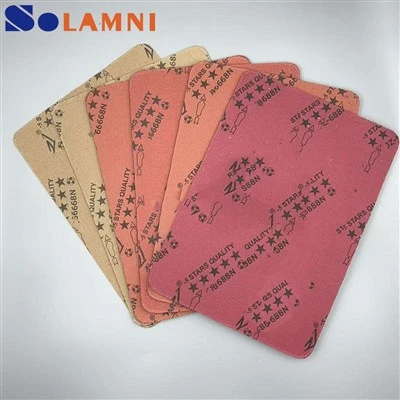
First, it helps to understand what paper insole board actually is, because that knowledge forms the backbone of any good maintenance routine. It’s not just regular paper; it’s a dense, layered composite made from pressed wood fibers, recycled cotton, and sometimes a small amount of starch binder to hold it all together. The density varies depending on the grade—thinner, lighter board for casual shoes, thicker, sturdier board for work boots and athletic footwear—so maintenance needs to be tailored to the grade and intended use. The biggest enemies of its shape are moisture, uneven pressure, and temperature fluctuations, which is why most solutions boil down to controlling these factors.
The first, and most critical, step in keeping insole board shape intact is moisture management. Moisture is the number one culprit here. When insole board absorbs water, the fibers swell unevenly, and when they dry, they shrink unevenly too. That leads to warping, curling at the edges, or the central arch collapsing—all issues that make shoes feel lopsided or uncomfortable. As a supplier, we always recommend pairing our insole boards with moisture-wicking insoles. For casual or daily wear shoes, look for insoles made from merino wool or a treated cotton blend; these pull sweat away from the foot before it can seep into the insole board. For work boots or shoes designed for heavy use, insoles with a thin layer of activated carbon add extra odor control too, which is a nice bonus.
If your shoes do get wet—say you walked through a puddle or spilled a drink on them—don’t just leave them by a heater or in direct sunlight to dry fast. That rapid, uneven drying is a surefire way to damage the insole board’s shape. Instead, remove the laces, pull out the current insoles (paper or otherwise), and stuff the inside of the shoe with crumpled, unprinted newspaper. The newspaper absorbs moisture slowly and evenly. For extra shape retention, place a separate sheet of newspaper inside the actual insole itself, smoothing it out so it sits flat, and leave the shoe to air dry in a cool, well-ventilated area. We’ve seen so many shoes come back to our customers’ factories with warped insoles because someone used a hair dryer to speed up drying—avoid that at all costs.
Next, proper storage of shoes when they’re not in use makes a huge difference. Most people don’t think about this, but how you store your shoes when you’re not wearing them directly impacts the insole board’s shape. If you cram multiple pairs into a closet without any structure, the sides of the shoes press into the insole, causing it to curve inward over time. For daily wear shoes, we always suggest investing in shoe trees. Not just any shoe trees, but ones that are shaped to match the arch of your foot and extend all the way to the toe of the shoe. The rigid, supportive material of a good shoe tree (we recommend cedar or solid plastic, as soft materials don’t offer enough support) applies even, gentle pressure that keeps the insole board flat and maintains its shape. For leather shoes, cedar shoe trees have the added benefit of absorbing residual moisture from the shoes, so they kill two birds with one stone.
If you don’t want to buy shoe trees for every pair of shoes, another trick we share is to store shoes in pairs, placed toe to toe, with a small, rolled-up towel or even a clear plastic bottle filled with air tucked between the heels. That fills the empty space in the shoe, preventing sides from caving in, and keeps the insole board from being compressed. We also advise against piling shoes on top of each other, especially heavy work boots, because the weight can crush the insole board’s arch over time. Keeping shoes on shelves or in individual shoe bags is a small habit that adds up to big results for shape retention.
For people who own shoes with removable insoles—this is almost all shoes, unless they’re custom-made—there’s an extra step that makes a huge difference: rotating your shoes. Wearing the same pair of shoes every day might be convenient, but it means the insole board is under constant pressure 24/7, with no time to recover. The fibers in the insole board are resilient, but they need a break. If you rotate two or three pairs of shoes, wearing each pair every other day, that gives the insole board 48 hours to spring back to its original shape. This is especially important for high-quality dress shoes or work boots that you wear for long periods each day. We have a customer who runs a chain of retail stores, and they used to go through replacement insole boards every three months because their staff wore the same pair daily. After we shared our rotation tip, their replacement rate dropped by 40%—that’s how impactful this simple habit is.
Another common issue that affects insole board shape is uneven pressure from walking style. If you have a gait that puts more weight on one foot than the other—whether that’s from a knee injury, a long-standing habit, or even just standing on one leg for hours at a job—this can cause the insole board to curve or warp over time. This isn’t something you can fix overnight, but it’s something you can manage. For people with uneven gait, we recommend adding a thin, supportive pad to the insole of the shoe that feels less stable. These pads sit between the foot and the insole board, distributing weight more evenly, and they’re removable if you need to adjust them. It’s a low-cost solution that prevents the insole board from bearing all the brunt of uneven pressure, and it keeps the shape consistent.
For cobblers and shoe manufacturers, there are a few more technical tips that come directly from working with our insole boards. First, when cutting and installing the insole board, make sure to leave a small (1 to 2 millimeter) gap around the edge of the shoe’s upper. If you cut the insole board to fit exactly, the board will expand slightly over time from absorbed moisture, and it will push against the upper, causing the edge to curl. It’s a tiny adjustment, but it’s one we emphasize to every customer when they place a bulk order with us. Second, when attaching the insole board to the shoe, use a water-based adhesive, not a solvent-based one. Solvents can break down the binder in the insole board, weakening the fibers and making them more prone to warping. Water-based adhesives are gentler, and they allow the board to move slightly with the shoe’s materials, which prevents stress buildup that distorts shape.
I should also mention the importance of regular inspection, because catching issues early is the best way to prevent shape damage. Once a month, take a look at your shoes’ insoles. Remove the insole (or just press gently on the arch and edges) to check for any signs of warping, soft spots, or curling. If you catch it early, a quick fix can save the whole insole board. For minor edge curling, you can apply a small amount of mild, water-based adhesive along the curled edge, then press it flat between two heavy books for 24 hours while it dries. For minor arch collapse, a thin, rigid arch support pad placed on top of the insole for a few weeks can help the fibers re-set to their original shape.
Now, let’s talk about what to avoid, because there are plenty of common mistakes that people make without even realizing it. First, never use shoe polish or cleaning products directly on the insole board. Most shoe cleaners have harsh chemicals that can break down the fibers and binder, leading to warping and weakening over time. Instead, only clean the outer upper of the shoe, and if you need to wipe the insole itself, use a damp (not wet) cloth and mild soap. Second, don’t wear shoes without socks or insoles if you can help it. Direct foot contact with the insole board means more sweat and oil transfer, which breaks down the material faster and leads to shape issues. Third, don’t fold or bend the insole board when handling it—whether you’re removing it from an old shoe or installing a new one—even if it feels flexible. Folding creates permanent creases in the fibers that are almost impossible to smooth out, and those creases will show up as uneven spots in the shoe’s shape over time.
As a supplier, our job isn’t just to sell paper insole boards—it’s to make sure our customers get the longest, most durable use out of every board we send out. We work with small cobbler shops and large shoe brands alike, and the advice we share is the same for everyone, because shape maintenance relies on basic, consistent habits that anyone can adopt.

If you’re a shoe manufacturer looking for high-quality paper insole boards that hold their shape even under heavy use, or a cobbler needing bulk supplies for your shop, we’re here to help. We take the time to match the right grade of insole board to your specific needs, whether that’s for casual sneakers, work boots, or formal dress shoes. We also share hands-on guidance tailored to your operation, so you can get the most out of every product you use. If you’re ready to discuss your requirements, reach out to our team to start a conversation about sourcing, custom solutions, and how we can support your business.
Paper Insole Board References
- Shoe Repair: A Practical Guide to Insole Maintenance. Cobbler’s Association of North America, 2021.
- Material Science of Footwear Components: Fiber Composite Durability. Journal of Applied Polymer Science, Vol. 128, No. 3, 2022, pp. 1678-1685.
- Sustainable Footwear Practices: Managing Component Shape Longevity. Global Footwear Industry Sustainability Report, 2023, pp. 45-52.
- Moisture Effects on Cellulose-Based Composite Materials for Industrial Applications. Journal of Composite Materials, Vol. 55, No. 12, 2021, pp. 1723-1735.
Quanzhou Asterism Import and Export Co., Ltd.
As one of the most professional paper insole board manufacturers in China, we have world-leading production equipment and strong manufacturing capabilities. Please feel free to buy high quality paper insole board at competitive price from our factory. Customized orders are welcome.
Address: No.6, Cuiyuan 3rd Road, Feicuiyuan, No. 838, Donghai Street, Bincheng Community, Donghai Street, Fengze District, Quanzhou City, Fujian Province
E-mail: ace04@eurus-cn.com
WebSite: https://www.sln-insoleboard.com/
