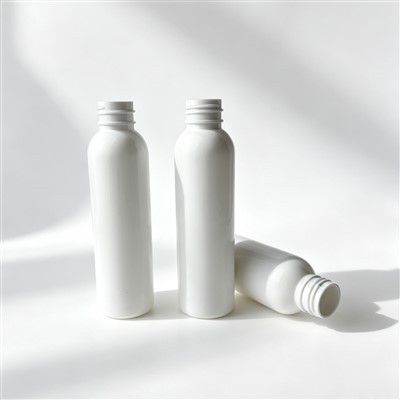
As a supplier of PET plastic bottles, I’ve witnessed the widespread use of these products in various industries. From beverages to personal care products, PET plastic bottles are everywhere. However, I’ve also become increasingly aware of the potential impacts these bottles can have on wildlife. In this blog post, I’ll explore how PET plastic bottles affect wildlife and discuss what we can do as a supplier to mitigate these impacts. PET Plastic Bottles
The Scale of the Problem
The production and consumption of PET plastic bottles have skyrocketed in recent decades. According to industry reports, billions of PET plastic bottles are produced globally each year. While the convenience and versatility of these bottles make them a popular choice for manufacturers and consumers alike, their durability and slow decomposition rate mean that they pose a significant threat to wildlife.
One of the most visible ways in which PET plastic bottles affect wildlife is through entanglement. Marine animals such as sea turtles, seals, and seabirds can become trapped in discarded bottles or bottle caps, which can restrict their movement, cause injuries, and ultimately lead to death. In addition to entanglement, animals may also mistake plastic fragments for food, leading to ingestion. Once ingested, plastic can block the digestive tract, cause internal injuries, and reduce the animal’s ability to absorb nutrients.
Impact on Marine Life
The ocean is particularly vulnerable to the effects of PET plastic bottle pollution. As these bottles enter the marine environment, they break down into smaller and smaller pieces known as microplastics. These microplastics can be ingested by a wide range of marine organisms, from tiny zooplankton to large whales. The consequences of microplastic ingestion can be far – reaching.
For example, zooplankton are a crucial part of the marine food chain. When they consume microplastics, they can suffer from reduced growth and reproduction rates. This, in turn, can have a cascading effect on the entire food web. Higher up the food chain, larger fish and marine mammals that consume contaminated prey may accumulate high levels of plastics in their bodies. This not only affects their health but also has implications for human health, as many people rely on seafood as a source of food.
Furthermore, the presence of PET plastic bottles in the ocean can also alter habitats. Floating plastic bottles can accumulate in large patches, blocking sunlight from reaching marine plants and disrupting the photosynthesis process. This can lead to a decline in the productivity of marine ecosystems and a loss of biodiversity.
Impact on Terrestrial Wildlife
While the focus on plastic pollution often centers around the ocean, terrestrial wildlife is also affected by PET plastic bottles. In landfills and natural habitats, animals may come into contact with discarded bottles. Small mammals and birds may use plastic fragments for nesting materials, which can pose a risk to their young.
In addition, as plastic bottles break down on land, the microplastics can contaminate soil and water sources. This contamination can affect plants and the animals that depend on them. For example, insects may consume contaminated plant matter, and the plastics can then work their way up the food chain. Animals that drink from contaminated water sources may also ingest plastics, leading to similar health problems as seen in marine animals.
What We Can Do as a Supplier
As a supplier of PET plastic bottles, we have a responsibility to address the environmental impact of our products. One of the first steps we can take is to promote the reduction of single – use PET plastic bottles. We can work with our customers to develop more sustainable packaging solutions, such as refillable bottles or biodegradable alternatives.
We can also support efforts to improve waste management. This includes working with recycling facilities to ensure that our PET plastic bottles are properly recycled. By improving the recycling rate, we can reduce the amount of plastic that ends up in the environment. Additionally, we can invest in research and development to find new ways to make our bottles more easily recyclable.
Another important aspect is education. We can educate our customers, as well as the general public, about the impact of PET plastic bottles on wildlife. By raising awareness, we can encourage more people to take steps to reduce their plastic consumption and properly dispose of plastic waste.
The Economic Incentives for Change
Making changes to reduce the impact of PET plastic bottles on wildlife is not only the right thing to do from an environmental perspective but also makes economic sense. Consumers are becoming increasingly concerned about the environmental impact of the products they buy. By offering more sustainable packaging solutions, we can attract environmentally – conscious customers and gain a competitive edge in the market.
In addition, as governments around the world introduce stricter regulations on plastic pollution, companies that are proactive in addressing these issues will be better positioned to comply with the laws. This can avoid potential fines and reputational damage.
Conclusion
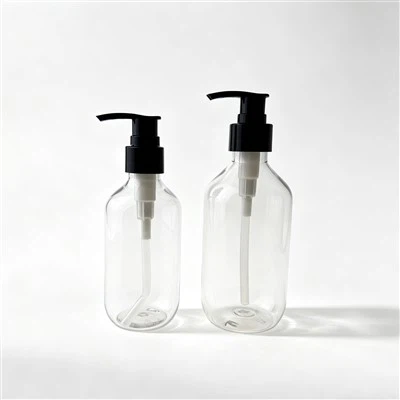
In conclusion, PET plastic bottles have a significant impact on wildlife, both in the marine and terrestrial environments. As a PET plastic bottle supplier, we have a role to play in reducing this impact. By promoting reduction, improving recycling, and raising awareness, we can work towards a more sustainable future for wildlife and the planet.
PET Plastic Bottles If you are interested in learning more about our PET plastic bottles and our commitment to sustainability, or if you would like to discuss potential procurement opportunities, please feel free to reach out. We are always open to new partnerships and look forward to working together to find the best packaging solutions for your business.
References
- Jambeck, J. R., et al. (2015). Plastic waste inputs from land into the ocean. Science, 347(6223), 768 – 771.
- Rochman, C. M., et al. (2016). Designing plastics to degrade in the environment: a review of degradation mechanisms, products, and applications. Environmental Science & Technology, 50(12), 6304 – 6315.
- Wilcox, C., et al. (2015). Threat of plastic pollution to seabirds is global, pervasive, and increasing. Proceedings of the National Academy of Sciences, 112(38), 11899 – 11904.
Taizhou Fuyan Trading Co., Ltd.
As one of the most professional pet plastic bottles manufacturers and suppliers in China, we’re featured by quality products and good service. Please rest assured to wholesale bulk pet plastic bottles in stock here from our factory. Customized orders are welcome.
Address: Lupu Small and Micro Industrial Park, Lupu, Yuhuan City, Zhejiang Province
E-mail: taizhoufuyan@outlook.com
WebSite: https://www.fuyantrading.com/
