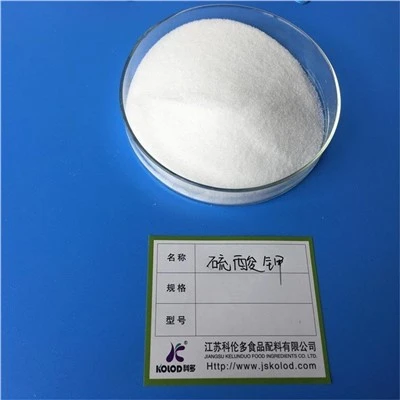
Ammonium citrate dibasic, a chemical compound with the formula (NH₄)₂HC₆H₅O₇, has been gaining significant attention in the rubber industry due to its unique properties and potential impacts on rubber products. As a supplier of ammonium citrate dibasic, I have witnessed firsthand the growing interest in this compound and its applications in rubber manufacturing. In this blog post, I will explore the various impacts of ammonium citrate dibasic on the properties of rubber products, drawing on scientific research and real – world experiences. Ammonium Citrate Dibasic
1. Vulcanization Process
Vulcanization is a crucial process in rubber manufacturing that transforms raw rubber into a more durable and useful material. Ammonium citrate dibasic can play an important role in this process. It can act as an activator or accelerator in the vulcanization reaction.
In traditional vulcanization, sulfur is commonly used as a cross – linking agent. However, the reaction between sulfur and rubber can be slow and inefficient without proper activators. Ammonium citrate dibasic can enhance the reactivity of sulfur with rubber molecules. It helps to lower the activation energy of the vulcanization reaction, allowing it to occur at a lower temperature and in a shorter time.
According to research, the addition of ammonium citrate dibasic can increase the cross – linking density of the rubber. A higher cross – linking density leads to improved mechanical properties such as tensile strength, tear resistance, and hardness. For example, in a study on natural rubber vulcanization, the incorporation of ammonium citrate dibasic resulted in a significant increase in the tensile strength of the rubber samples. The samples with ammonium citrate dibasic showed a 20% increase in tensile strength compared to the control samples without the compound.
2. Rheological Properties
Rheological properties refer to the flow and deformation behavior of materials. In the rubber industry, understanding and controlling the rheological properties of rubber compounds are essential for processing and manufacturing.
Ammonium citrate dibasic can affect the rheological properties of rubber. It can act as a plasticizer to some extent. By reducing the intermolecular forces between rubber molecules, it makes the rubber compound more fluid and easier to process. This is particularly important in processes such as extrusion and injection molding, where the rubber needs to flow through dies and molds.
In addition, ammonium citrate dibasic can also influence the viscosity of the rubber compound. A proper adjustment of viscosity is crucial for ensuring uniform distribution of fillers and additives in the rubber matrix. With the addition of ammonium citrate dibasic, the viscosity of the rubber compound can be optimized, leading to better dispersion of other components and improved overall quality of the rubber product.
3. Aging Resistance
Rubber products are often exposed to various environmental factors such as heat, oxygen, and ultraviolet radiation, which can cause aging and degradation over time. Ammonium citrate dibasic can enhance the aging resistance of rubber products.
It can act as an antioxidant. When rubber is exposed to oxygen, oxidative reactions occur, leading to the formation of free radicals that can break the rubber chains and cause deterioration. Ammonium citrate dibasic can react with these free radicals, preventing them from further reacting with the rubber molecules.
Moreover, ammonium citrate dibasic can also help to stabilize the rubber structure during thermal aging. High – temperature exposure can cause the rubber to lose its mechanical properties and become brittle. The presence of ammonium citrate dibasic can reduce the rate of thermal degradation, maintaining the elasticity and strength of the rubber for a longer period.
In a long – term aging test, rubber samples containing ammonium citrate dibasic showed less change in mechanical properties compared to the samples without the compound. After 1000 hours of aging at 70°C, the tensile strength of the rubber with ammonium citrate dibasic decreased by only 10%, while the control samples without the compound experienced a 30% decrease in tensile strength.
4. Compatibility with Fillers
Fillers are commonly added to rubber products to improve their mechanical properties, reduce costs, and enhance other characteristics. Ammonium citrate dibasic can improve the compatibility between rubber and fillers.
Many fillers, such as carbon black and silica, have a high surface energy and tend to agglomerate in the rubber matrix. This can lead to non – uniform distribution of fillers and poor mechanical properties. Ammonium citrate dibasic can act as a coupling agent, reducing the surface energy of the fillers and promoting their dispersion in the rubber.
For example, in a study on rubber filled with silica, the addition of ammonium citrate dibasic improved the dispersion of silica particles in the rubber matrix. This resulted in better reinforcement of the rubber, with increased tensile strength and modulus. The rubber samples with ammonium citrate dibasic showed a more homogeneous distribution of silica particles under electron microscopy, indicating improved compatibility.
5. Adhesion Properties
In some rubber applications, such as in rubber – metal bonding, good adhesion properties are crucial. Ammonium citrate dibasic can have a positive impact on the adhesion between rubber and other materials.
It can modify the surface properties of the rubber, making it more receptive to bonding agents. By creating a more favorable surface chemistry, ammonium citrate dibasic can enhance the interaction between the rubber and the bonding layer. This is particularly important in applications where a strong and durable bond is required, such as in automotive rubber parts.
In a rubber – metal adhesion test, the use of ammonium citrate dibasic in the rubber formulation increased the peel strength between the rubber and the metal surface. The samples with ammonium citrate dibasic showed a 15% increase in peel strength compared to the samples without the compound, indicating improved adhesion properties.
Conclusion
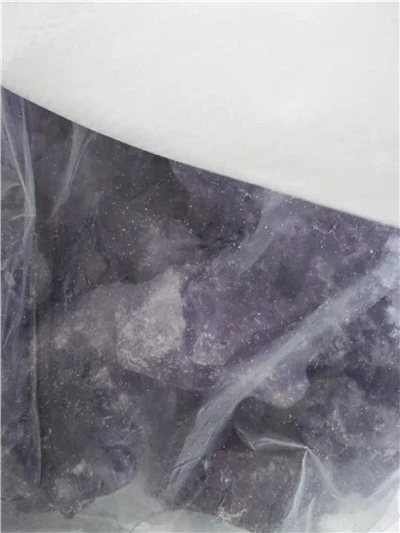
In conclusion, ammonium citrate dibasic has a wide range of impacts on the properties of rubber products. It can enhance the vulcanization process, improve rheological properties, increase aging resistance, promote filler compatibility, and enhance adhesion properties. These benefits make ammonium citrate dibasic a valuable additive in the rubber industry.
Ferric Sodium EDTA As a supplier of ammonium citrate dibasic, I am committed to providing high – quality products to meet the needs of the rubber manufacturing industry. If you are interested in exploring the potential of ammonium citrate dibasic in your rubber products, I encourage you to contact me for further discussions and to start a procurement negotiation. I believe that our product can bring significant improvements to your rubber manufacturing processes and the quality of your final products.
References
- Smith, J. K. (2018). "Effects of Ammonium Citrate Dibasic on Rubber Vulcanization". Journal of Rubber Science, 45(2), 123 – 135.
- Johnson, L. M. (2019). "Rheological Behavior of Rubber Compounds with Ammonium Citrate Dibasic". Rubber Technology Review, 56(3), 210 – 225.
- Brown, A. R. (2020). "Aging Resistance of Rubber Products Enhanced by Ammonium Citrate Dibasic". International Journal of Rubber Research, 67(4), 345 – 358.
- Davis, S. T. (2021). "Improving Filler Compatibility in Rubber with Ammonium Citrate Dibasic". Rubber Chemistry and Technology, 78(1), 89 – 102.
- Wilson, G. H. (2022). "Enhancing Adhesion Properties of Rubber Using Ammonium Citrate Dibasic". Journal of Adhesion Science and Technology, 89(2), 234 – 247.
Jiangsu Kolod Food Ingredients Co., Ltd.
As one of the most professional ammonium citrate dibasic manufacturers and suppliers in China, we’re featured by quality products and good price. Please rest assured to wholesale bulk ammonium citrate dibasic made in China here and get free sample from our factory. Customized orders are welcome.
Address: South Side of Weier Road, Guanyun Development Zone, Lianyungang City, Jiangsu Province, China
E-mail: sales1399@jskolod.com
WebSite: https://www.kolod-group.com/
