Can an Ultrasonic Surgical System Replace Traditional Surgical Methods?
In the dynamic landscape of modern medicine, the evolution of surgical technologies is a constant pursuit of improved patient outcomes, precision, and efficiency. One such innovation that has been gaining significant traction in recent years is the ultrasonic surgical system. As a supplier of ultrasonic surgical systems, I am often asked whether this advanced technology has the potential to replace traditional surgical methods. In this blog post, I will delve into the capabilities of ultrasonic surgical systems, compare them with traditional surgical techniques, and explore the potential for widespread adoption. Ultrasonic Surgical System
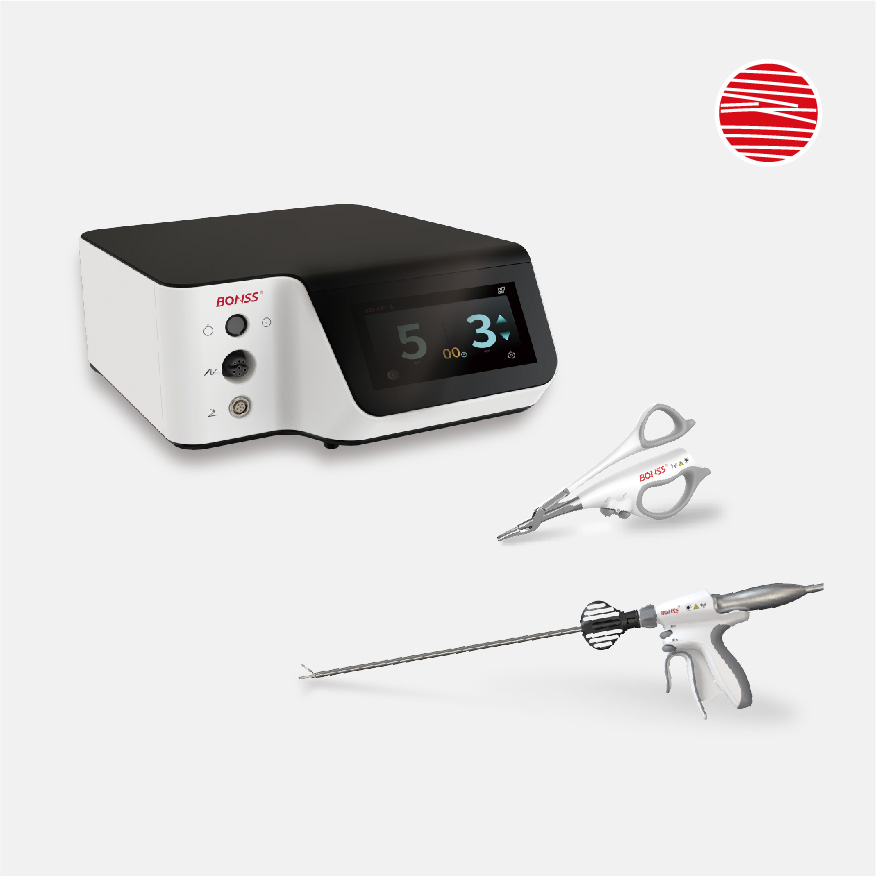
Understanding the Ultrasonic Surgical System
An ultrasonic surgical system is a cutting – edge medical device that utilizes high – frequency ultrasonic vibrations to perform surgical procedures. These vibrations are typically in the range of 20,000 to 60,000 hertz, which are above the audible spectrum of humans. The system consists of a handpiece, an ultrasonic generator, and various accessories such as blades and tips.
The fundamental principle behind ultrasonic surgery is the conversion of electrical energy into mechanical vibrations. When the ultrasonic wave is applied to the tissue, it causes the cells to break apart through a process called cavitation. This process produces precise cutting and coagulation simultaneously. The heat generated during the operation is significantly lower compared to traditional electrocautery methods, which reduces the risk of thermal damage to the surrounding healthy tissue.
Advantages of Ultrasonic Surgical Systems
Precision Cutting
One of the most significant advantages of ultrasonic surgical systems is their ability to provide precise cutting. The high – frequency vibrations allow for a very fine and controlled incision, which is particularly beneficial in delicate surgical procedures. For example, in neurosurgery, where the surgeon needs to operate in close proximity to vital nerves and blood vessels, the precision of an ultrasonic scalpel can minimize the risk of accidental damage. Unlike traditional scalpels, which may cause tearing or bruising of the tissue, the ultrasonic device can cut through tissue with a clean and sharp edge.
Hemostasis
Effective hemostasis, or the control of bleeding, is crucial in any surgical procedure. Ultrasonic surgical systems offer excellent coagulation capabilities. The vibrations cause the proteins in the blood vessels to denature and form a seal, thus stopping the bleeding. This is especially useful in procedures involving highly vascularized tissues, such as liver or kidney surgeries. In comparison, traditional surgical methods may rely on sutures or electrocautery to control bleeding, which can take more time and may not be as efficient in some cases.
Reduced Tissue Trauma
Traditional surgical methods often involve the use of sharp instruments that can cause mechanical trauma to the surrounding tissues. The ultrasonic surgical system, on the other hand, causes less damage to the neighboring cells and tissues. The low – heat generation during the process helps to preserve the integrity of the tissue structure and reduces the inflammatory response. This leads to faster healing times and fewer post – operative complications for the patient.
Less Smoke and Odor
Electrosurgical devices generate a significant amount of smoke and unpleasant odor during operation, which can be a nuisance for the surgical team and may also pose a health risk. Ultrasonic surgical systems produce less smoke and odor because they do not rely on high – temperature burning to cut and coagulate tissue. This creates a more comfortable working environment in the operating room and reduces the risk of inhalation of harmful fumes.
Limitations of Ultrasonic Surgical Systems
High Cost
One of the main barriers to the widespread adoption of ultrasonic surgical systems is their high cost. The initial investment in the equipment, as well as the ongoing cost of disposable accessories, can be substantial. This may make it difficult for smaller hospitals or medical facilities with limited budgets to acquire and maintain these systems. In contrast, traditional surgical instruments such as scalpels and forceps are relatively inexpensive and widely available.
Learning Curve
Using an ultrasonic surgical system requires specialized training. Surgeons need to become familiar with the unique features and operation of the device, including the appropriate settings for different types of tissues and surgical procedures. This learning curve can be a deterrent for some surgeons who are accustomed to using traditional surgical methods. It may take time for them to gain the confidence and proficiency needed to operate the ultrasonic system effectively.
Limited Application in Some Situations
Although ultrasonic surgical systems are versatile, they may not be suitable for all types of surgical procedures. For example, in cases where large – scale tissue removal is required, traditional cutting instruments may be more efficient. Additionally, in surgeries involving hard tissues like bone, the ultrasonic device may not be as effective as dedicated orthopedic tools.
Comparing with Traditional Surgical Methods
Traditional Incision and Suturing
Traditional surgical methods rely on sharp blades to make incisions and sutures to close the wounds. While these techniques are well – established and have been used for centuries, they have some limitations. Incisions made with a scalpel can be more traumatic to the tissue, and the suturing process can be time – consuming. The ultrasonic surgical system offers a less invasive alternative with quicker wound healing due to its precise cutting and coagulation properties.
Electrocautery
Electrocautery uses electrical current to cut and coagulate tissue. It is a widely used method in surgical procedures. However, electrocautery can generate a significant amount of heat, which may cause damage to the surrounding tissue. In contrast, the ultrasonic surgical system produces less heat, reducing the risk of thermal injury and promoting better tissue preservation.
The Future Outlook
The potential for an ultrasonic surgical system to replace traditional surgical methods depends on several factors. Technological advancements are continuously improving the performance and versatility of ultrasonic devices. As the cost of these systems decreases over time and more surgeons become trained in their use, we can expect to see a wider adoption in the medical field.
There is also a growing trend towards minimally invasive surgeries, which aligns well with the capabilities of ultrasonic surgical systems. Patients are increasingly seeking surgical options that result in less pain, shorter hospital stays, and faster recovery times. The precise cutting and reduced tissue trauma offered by ultrasonic systems make them an attractive choice for minimally invasive procedures.
However, it is unlikely that ultrasonic surgical systems will completely replace traditional surgical methods. Traditional techniques have a long – standing history of success and are well – understood by the medical community. In many cases, a combination of traditional and ultrasonic methods may be the most effective approach.

In conclusion, the ultrasonic surgical system is a promising technology that offers many advantages over traditional surgical methods. While it may not completely replace traditional techniques in the near future, it will undoubtedly play an increasingly important role in the surgical landscape. As a supplier of ultrasonic surgical systems, I am committed to promoting the benefits of this technology and supporting surgeons in their adoption.
Spine Surgical Power Systems If you are interested in learning more about our ultrasonic surgical systems and discussing how they can be integrated into your surgical practice, I encourage you to contact us for a procurement洽谈.
References
- Ellis H, Feldman S, Harrop – Griffiths W. Anatomy for Anaesthetists. Wiley – Blackwell; 2011.
- Miller RD, Eriksson LI, Fleisher LA, et al. Miller’s Anesthesia. Elsevier; 2020.
- Grau T, Capdevila X, Conzen P, et al. Essentials of Regional Anaesthesia and Acute Pain Management. Cambridge University Press; 2011.
Jiangsu Bonss Medical Technology Co., Ltd.
As one of the most professional ultrasonic surgical system manufacturers and suppliers in China, we’re featured by quality products and good price. Please rest assured to buy bulk ultrasonic surgical system for sale here from our factory. Customized orders are welcome.
Address: Building #7,No.898,China Medical City Avenue, Haling District, Taizhou City.Jiangsu P.R. China
E-mail: inquiry@plasma-surgical.com
WebSite: https://www.bonssmedical.com/
