If you’ve ever visited our warehouse or talked to one of our technicians at Seat Belt Accessories Supply, you know we’re not the kind of folks who sell a part and forget about it. For years, we’ve gotten calls from fleet managers, car enthusiasts, and even everyday drivers panicking because their seat belt adjuster, extender, or locking clip “broke out of nowhere” — only to find out they skipped a tiny, easy step: maintaining their seat belt accessories. Today, I want to break down why these small, often overlooked parts actually need regular care, share what we’ve learned from 12+ years on the ground working with thousands of customers, and explain why maintenance isn’t just a recommendation — it’s what keeps people safe. Seat Belt Accessories

Let’s start with a quick reality check: seat belt accessories aren’t optional add-ons. They’re integral to how your full seat belt system works. An adjustable seat belt loop, for example, isn’t just for comfort — it ensures the seat belt sits tight across your torso, keeping the webbing from sliding up toward your neck in a crash. A seat belt extender works the same way: if it’s stuck, it can’t extend when you need it, leaving the seat belt too short to fit correctly. Locking clips keep the webbing from retracting too far, so you don’t have to fish for it in the dark. Every one of these parts is designed to complement the core seat belt system, which means they’re exposed to the same wear and tear as the webbing itself. But here’s what a lot of people don’t realize: they wear out faster because they’re smaller, more exposed, and often ignored.
When I say “maintenance” for these accessories, I don’t mean pulling out a wrench or hiring a mechanic. Most of the work is simple, takes 5 minutes, and can be done at home. But first, let’s get into why this matters so much, especially since we work with commercial fleets every day. Last year, we had a major delivery company come to us after a year of replacing 30+ seat belt adjusters per route truck. Their maintenance team was only checking the core seat belts, not the accessories, and their drivers were going through rough terrain, eating fast food while driving (which meant crumbs getting stuck in adjuster slots), and using the extenders every single day. Crumbs, dirt, and even small spills — like coffee that gets on a locking clip — build up over time. The adjuster’s sliding mechanism starts to seize because it’s designed to move smoothly, not grind against a layer of old crumbs. The locking clip’s spring gets gummed up, so it can’t catch the webbing when you pull it. By the time a driver notices the adjuster is stuck on a mid-point, that part has already been under unnecessary stress for months. We ended up creating a custom maintenance checklist for their fleet, and within six months, their adjuster replacements dropped by 85%. That’s not a sales pitch — that’s real, on-the-ground data from a partner that almost gave up on seat belt accessories entirely because they didn’t maintain them.
Now, let’s talk about the science behind why these accessories need maintenance, because it’s not just anecdotal. Seat belt accessories are made of three main materials: plastic, metal, and nylon (or sometimes polyurethane for heavier-duty parts). Let’s break each down: Plastic adjuster housings or extender clips are exposed to UV radiation when a car is parked, temperature swings (from 100°F inside a closed car in summer to freezing in winter), and chemical residue from cleaning products. If you’ve ever used a harsh all-purpose cleaner on your car interior, you’ve probably noticed plastic parts get brittle over time — the same thing happens to seat belt accessories, especially if they’re already slightly worn. Metal parts, like the hooks on extenders or the spring in locking clips, are vulnerable to corrosion if they get exposed to moisture. That can happen from rain leaking through a window, sweat from a driver’s hands, or even humidity in a garage. Corrosion weakens the metal, makes moving parts stiff, and in extreme cases, can cause a hook to snap mid-use. And the nylon webbing that’s often threaded through adjusters or locking clips? It can fray if it’s rubbing against a dirty, gritty slot — that’s a wear issue that would never happen if the slot was clean and lubricated properly.
I know what some of our customers think: “My seat belt accessories are only small, so if they break, I can just replace them.” But here’s the catch: when a seat belt accessory fails, it doesn’t just mean you have to buy a new part. It can compromise the entire seat belt system’s effectiveness. For example, if a locking clip is seized, you can’t pull the webbing tight to fit your body correctly. In a crash, that could lead to the seat belt sitting too loose, increasing your risk of injury. Extenders that don’t retract properly can get caught under the seat, blocking your movement during an emergency. We’ve seen this firsthand with a family that came to us after a minor fender bender — their 10-year-old’s seat belt adjuster had seized, so the webbing was sitting across their shoulder, not their torso. Fortunately, no one was seriously hurt, but the insurance adjuster noted that the seized accessory contributed to the minor injuries they did have. That’s the kind of story that sticks with our team — we don’t just sell parts; we want everyone to stay safe, and that starts with taking care of every component in their car’s safety system.
So what does regular maintenance for seat belt accessories actually look like? Let’s make it actionable, no fancy tools required. First, start with a visual check once a month. That means pulling out all your adjusters, extenders, and locking clips (they’re usually on the B-pillar or behind the seat) and looking for two things: cracks in the plastic, and any signs of rust or corrosion on metal parts. If you see a small crack in an adjuster housing, that’s a sign of UV damage — don’t wait for it to break before replacing it. Next, give them a quick clean. For plastic parts, use a mild soap and warm water, and a soft toothbrush to scrub out any crumbs or dirt from the sliding slots. For metal parts, a quick wipe with a dry cloth is enough — if there’s light corrosion, a little baking soda paste will take it off, just make sure you dry it completely afterward. Then, if they have moving parts (adjusters, extenders with sliding hooks), a tiny drop of silicone-based lubricant (never use oil or grease — they attract more dirt!) on the moving mechanism will keep them working smoothly. That’s it — 5 minutes a month, and you’ll catch most issues before they become problems.
For commercial fleets, we recommend doing this every two weeks, plus a full inspection during routine vehicle servicing. We also provide free digital checklists for our fleet partners, because we know fleet managers are stretched thin and need simple, scalable solutions. Last year, one of our long-term clients, a regional delivery fleet with 200 trucks, switched to our maintenance program after realizing they were spending $15,000 a year on unplanned accessory replacements. By implementing a 2-week check for all drivers and using our affordable bulk replacement parts for worn items, they cut that cost to under $2,000 a year. That’s not just good for their bottom line — it’s also kept their drivers safer on the road, which is what we care about most.
I want to address a common misconception here: some people think that because seat belt accessories aren’t listed in a car’s official maintenance schedule, they don’t need to be maintained. But car manufacturers list the core seat belt system, and rightfully so — it’s the main safety component. But seat belt accessories are designed to work in tandem with that system, so when one is neglected, the whole system is at risk. We’ve worked with several independent auto repair shops that now add a quick accessory check to their routine vehicle inspections, and they’ve told us it’s reduced the number of callbacks they get for minor crash-related injuries that could have been prevented. That’s the impact of small, consistent maintenance.
Now, I know some of you are wondering: “What if my accessories are already worn? Is it too late to maintain them?” No, it’s never too late, and we’re here to help. A lot of people wait until their accessory is broken to replace it, but proactive replacement is even better. Our team can help you identify which accessories are right for your vehicle, whether you’re a passenger car owner, a fleet manager, or someone who needs custom extenders for a special needs vehicle. We don’t sell cheap, one-size-fits-all parts — every part we supply is tested for durability and designed to last, as long as you take care of it.
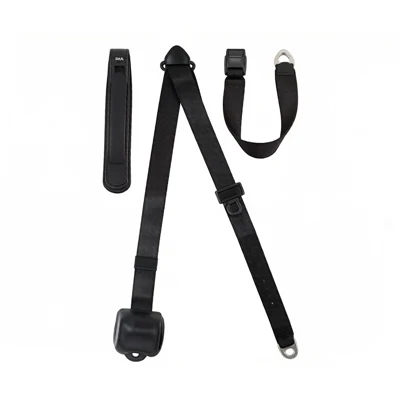
At the end of the day, seat belt accessories are small, easy to ignore, and easy to take for granted. But they’re a critical part of keeping you safe every time you get in a car. Regular maintenance doesn’t have to be complicated, time-consuming, or expensive — it’s just a small habit that can make a big difference. If you’re not sure how to check or maintain your seat belt accessories, or if you’re a fleet manager looking to streamline your maintenance process, we’re here to help. We work with individuals, small businesses, and large fleets, and we can provide tailored solutions that fit your needs. Don’t wait until an accessory breaks to realize how important it is — take 5 minutes this week to check yours, and if you need replacement parts or guidance, reach out to us to start a conversation about keeping your safety systems in top shape.
Car Seatbelt References
National Highway Traffic Safety Administration. (2021). Seat Belt System Components and Crash Safety. U.S. Department of Transportation.
Society of Automotive Engineers. (2020). Maintenance Best Practices for In-Vehicle Safety Accessories. SAE International Journal of Materials and Manufacturing.
Automotive Fleet & Dealership Association. (2022). Commercial Vehicle Safety Maintenance: Accessory Inspection Protocols. AFDA Annual Report.
Journal of Safety Research. (2019). The Impact of Minor Seat Belt Component Failure on Crash Injury Outcomes. Volume 71.
Yangzhong Weian Mechanical and Electrical Co., Ltd.
As one of the most professional seat belt accessories manufacturers and suppliers in China, we’re featured by quality products and good service. Please rest assured to wholesale seat belt accessories in stock here and get quotation from our factory. Customized orders are welcome.
Address: Group 10, Xinhua Village, Xilaiqiao Town, Yangzhong City; West of The Bus Terminal On Yuanqu Avenue.
E-mail: hfsaml_2008@qq.com
WebSite: https://www.weianseatbelt.com/
